Get In Touch
Please Fill in the form below to get in touch with us
Get In Touch
Please Fill in the form below to get in touch with us

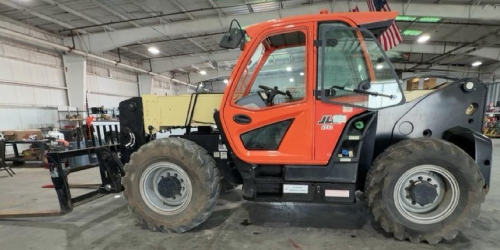
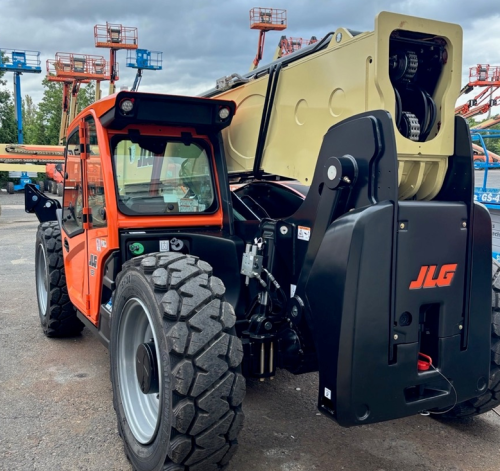
2017 JLG G5-18A · Diesel · 2230 Hours ·
$42,500.00 For Sale
Description
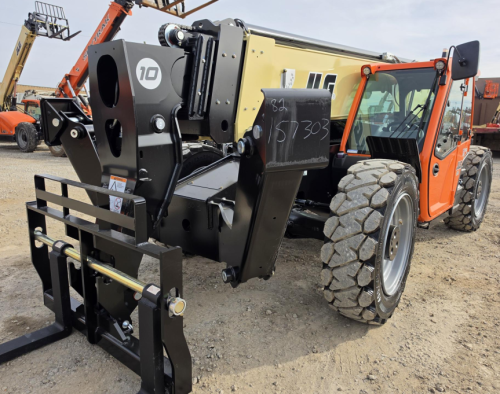
NLEQ# 152392, 2230 Hours, Diesel, 48" Carriage, 48" Pallet Forks, 5000, 18, 4WD
- Any Questions, Please contact Robert Cammeso @ 215-781-1602
-
Manufacturer: JLG
-
Model: G5-18A
-
Hours: 2230
-
Price: $42,500.00
-
Category: Telehandler
-
Fuel Type: Diesel
-
Carriage Width: 48"
-
Forks: 48" Pallet
JLG G5 18A Telescopic Handler for Sale | NLEQ Equipment
The JLG G5-18A Telehandler, NLEQ# 152392, is a practical material handling machine for businesses that need diesel power, reliable lifting functionality, and versatile equipment for construction and industrial operations. Manufactured by JLG, a recognized name in access and material handling equipment, this telehandler is worth considering for construction contractors, equipment yards, building material suppliers, agricultural operations, and industrial facilities where materials must be lifted and positioned efficiently. Its documented configuration includes a 48" carriage and 48" pallet forks, providing a useful setup for handling suitable palletized materials and supplies.
For businesses managing construction materials, inventory movement, and jobsite logistics, selecting the right telehandler can make a meaningful difference in daily productivity. The JLG G5-18A provides buyers with an opportunity to evaluate a compact material handling solution while considering important factors such as mechanical condition, lifting requirements, operating environment, and long term ownership value. Its combination of practical fork dimensions and diesel operation makes it relevant to a variety of material transportation and placement activities.
Specifications
- NLEQ Number: 152392
- Year: 2017
- Manufacturer: JLG
- Model: G5-18A
- Category: Telehandler
- Hours: 2230
- Fuel Type: Diesel
- Carriage Width: 48"
- Forks: 48" Pallet Forks
Condition
This JLG G5-18A has 2230 recorded operating hours, giving buyers an important usage reference when evaluating the machine for future work. Recorded usage should be considered alongside mechanical condition, maintenance history, inspection findings, and expected operating demands. For construction companies, equipment managers, and industrial buyers, reviewing these factors helps determine whether a particular telehandler is suitable for the applications it will be expected to perform.
Every equipment listing offered by NLEQ is carefully tested and inspected before being made available for sale. This process helps customers evaluate previously operated heavy equipment using accurate, honest, and reliable machine information. Buyers considering this JLG Telehandler can review its documented configuration and request further details about its current operating condition before moving forward with a purchase.
When evaluating a used telehandler, buyers should pay particular attention to the engine, hydraulic system, boom assembly, lifting controls, tires, steering components, and attachment connections. Available inspection details can help determine whether these systems meet the requirements of the intended workload. Maintenance records and previous operating conditions should also be reviewed when available.
Advantages
Diesel power is one of the main advantages of this JLG G5-18A. Diesel telehandlers are commonly selected for construction and industrial environments where conventional fueling, regular equipment utilization, and practical material handling capability are important. Businesses that already operate diesel powered equipment may find this configuration convenient to incorporate into their existing fleets and fuel management procedures.
For construction sites and equipment yards, diesel operation provides a familiar approach to fueling and maintenance. Operators can refuel using appropriate diesel supplies, allowing companies to organize machinery availability around project schedules and daily workload requirements. This can be particularly useful for businesses handling recurring material deliveries, site preparation activities, and equipment transportation tasks.
The 48" carriage provides an important part of the telehandler's material handling configuration. Carriage width influences how compatible forks and attachments are supported during operation. For buyers regularly moving construction supplies or palletized products, understanding carriage dimensions helps determine whether the machine's setup is appropriate for the materials being handled.
A properly matched carriage and fork arrangement can support controlled material positioning when the machine is operated according to manufacturer instructions. Construction contractors and warehouse operators should consider load dimensions, attachment compatibility, and rated lifting capacity when evaluating this configuration. Confirming these factors helps ensure that the equipment fits the intended application.
The 48" pallet forks further contribute to the machine's practical material handling functionality. Pallet forks are commonly used for lifting and transporting suitable building materials, packaged supplies, and other supported loads. Their dimensions are relevant when determining how materials will be positioned and supported during movement.
For businesses receiving palletized construction products, a compatible fork setup can assist with unloading deliveries, transporting supplies across designated working areas, and positioning materials near installation locations. Operators should always confirm load stability, proper fork engagement, and the machine's applicable lifting limits before moving materials.
The JLG G5-18A model is commonly associated with the 5000 pound capacity class and approximately 18 feet of lifting height. These figures can help buyers understand the general operating category of the model, but the supplied listing does not independently confirm the rated capacity or maximum lift height of this individual unit. Buyers should verify these specifications using the machine's capacity information and available documentation.
Understanding actual lifting capacity is essential because allowable loads can vary according to boom extension, lifting height, load position, and attachment configuration. A telehandler must be selected based on the loads it will handle under real operating conditions rather than nominal model specifications alone.
Vertical lifting capability is another important consideration for construction and industrial buyers. Telehandlers are commonly selected when materials need to be positioned above ground level or delivered to locations that are difficult to access using conventional ground level handling equipment. The appropriate lifting height depends on the required placement location, working surface, and machine configuration.
Four wheel drive is also an important feature to consider for telehandlers operating on construction sites and outdoor working surfaces. A 4WD configuration can provide traction advantages in suitable conditions, particularly where equipment must travel over prepared jobsite surfaces. However, the supplied equipment details do not confirm the drivetrain configuration of this particular JLG G5-18A. Buyers requiring four wheel drive should verify its availability directly with NLEQ before purchasing.
Together, the confirmed diesel fuel system, carriage dimensions, and pallet fork configuration provide this JLG Telehandler with a practical foundation for material handling work. Verifying the individual machine's rated lifting capability, boom reach, and drivetrain configuration will help determine whether it matches specific operational requirements.
Applications
The JLG G5-18A Telehandler can be considered for a variety of material handling applications across construction sites, equipment yards, industrial facilities, building supply businesses, and agricultural operations. Its suitability depends on verified lifting specifications, operating conditions, available working space, and the weight and dimensions of materials being transported.
Construction contractors frequently require equipment to move palletized building materials, packaged supplies, and jobsite inventory between delivery areas and designated work zones. A properly configured telehandler can support these activities by providing mechanical lifting assistance and helping crews position materials where they are needed.
Building material suppliers and equipment yards may also benefit from suitable telehandler equipment. Incoming deliveries often need to be unloaded, organized, and moved into storage locations. Outgoing materials may require preparation for transportation or placement near loading areas. Appropriate lifting machinery can help businesses manage these recurring handling tasks more efficiently.
Industrial facilities represent another potential application. Manufacturing and maintenance operations may require equipment capable of moving supplies, components, and other suitable materials between working areas. Selecting a telehandler that matches the facility's physical dimensions and lifting requirements can contribute to more organized material movement.
Agricultural and property maintenance operations may also evaluate this type of machine for transporting compatible palletized supplies and equipment. Before assigning the telehandler to any particular task, operators should confirm ground conditions, working clearances, load characteristics, and applicable manufacturer operating limits.
Ownership Value
For businesses with recurring material handling requirements, owning a telehandler can provide greater control over equipment availability and daily scheduling. Contractors and industrial companies that regularly depend on lifting machinery may find ownership practical because it allows them to organize operations according to project requirements rather than relying entirely on temporary equipment arrangements.
Purchasing previously operated equipment can also provide an opportunity to expand material handling capability while managing capital expenditure. Buyers evaluating this JLG G5-18A should consider its documented condition, expected utilization, maintenance requirements, fuel expenses, and availability of appropriate service support. Reviewing these factors together helps purchasing managers determine whether the equipment represents a suitable long term investment.
Maintenance planning is an essential part of telehandler ownership. Regular inspection of the diesel engine, hydraulic components, boom assembly, carriage, forks, tires, and operating controls can help owners identify developing service requirements. Following manufacturer maintenance recommendations and maintaining accurate equipment records supports responsible machinery management.
Equipment versatility can further influence ownership value. A telehandler suitable for receiving materials, transporting supplies, and supporting placement activities may remain useful throughout several stages of a construction project or industrial workflow. Matching machine capabilities to actual operating requirements helps businesses make practical use of their equipment investment.
Why This JLG G5-18A
This JLG G5-18A offers a practical combination of diesel operation, a 48" carriage, and 48" pallet forks for material handling applications. For buyers seeking equipment from a recognized telehandler manufacturer, its documented configuration provides a useful starting point for evaluating whether the machine fits their daily operating requirements.
The diesel fuel system makes this telehandler relevant to businesses that prefer conventional fueling procedures and machinery suited to appropriate construction environments. Its carriage and fork dimensions provide a practical setup for transporting compatible materials when loads remain within the machine's verified operating limits.
Buyers can compare this JLG Telehandler with other available machines based on inspection findings, lifting requirements, working conditions, and anticipated ownership costs. Confirming the complete equipment configuration helps ensure that the selected machine is suitable for the intended application.
Why Buy from NLEQ
NLEQ specializes in previously operated heavy construction and material handling equipment, providing serious buyers with machine specific information to support purchasing decisions. Every equipment listing is carefully tested and inspected before being offered for sale, helping customers evaluate available machinery with greater confidence.
Purchasing a telehandler requires careful consideration of individual specifications, mechanical condition, and operating requirements. NLEQ gives buyers an opportunity to review available equipment information, discuss important machine details, and request clarification before completing a purchase.
Construction contractors, building suppliers, industrial companies, agricultural businesses, and equipment fleet managers can evaluate machinery according to their specific requirements. NLEQ's focus on heavy equipment sales makes it a practical resource for organizations seeking telehandlers that align with their material handling responsibilities.
Next Steps
If you are looking for a JLG G5-18A Telehandler for construction sites, equipment yards, industrial facilities, or general material handling operations, this machine offers a practical combination of diesel power, a 48" carriage, and 48" pallet forks. Review the available specifications, confirm any required lifting capacity or drivetrain features, and compare the equipment with your operating conditions before making a purchasing decision.
Reference NLEQ# 152392 when contacting NLEQ to confirm current availability, request additional machine information, review inspection details, and discuss the purchasing process with the equipment sales team. Explore this JLG G5-18A Telehandler and determine whether its verified capabilities make it a suitable addition to your equipment fleet.