Get In Touch
Please Fill in the form below to get in touch with us
Get In Touch
Please Fill in the form below to get in touch with us
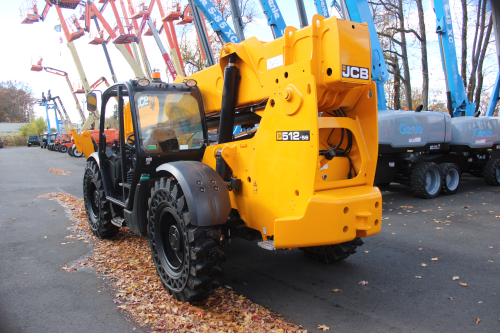
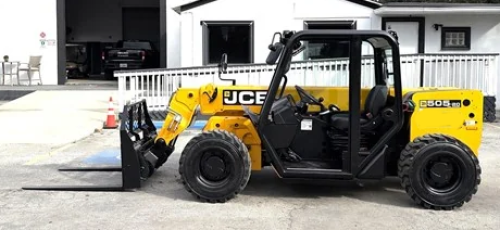
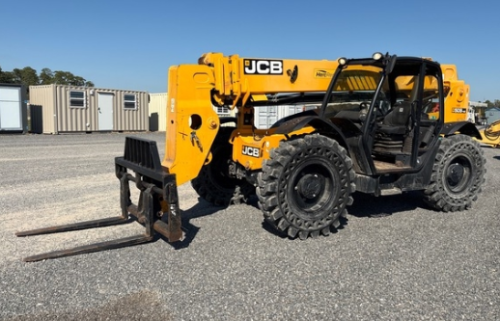
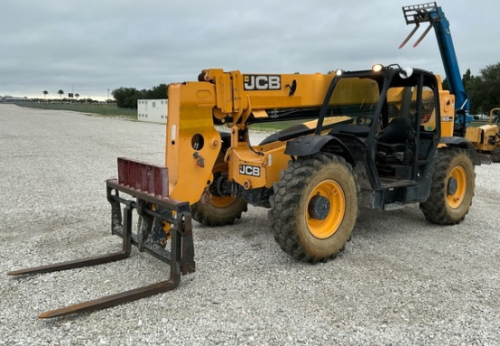
2019 JCB 512-56 · Turbo Diesel · 3780 Hours ·
$89,750.00 For Sale
Description
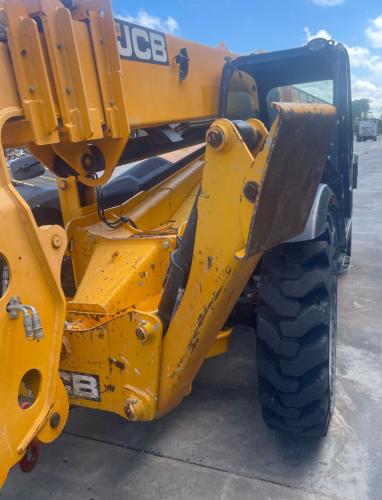
NLEQ# 152943, 3780 Hours, Turbo Diesel, 72" Carriage, 60" Pallet Forks, Solid Tires, Auxiliary Hydraulics, Outriggers, 12000# Capacity, 56' Lift Height, Fully Serviced, Fender and Light Kit, Amber Safety Light.
-
Manufacturer: JCB
-
Model: 512-56
-
Hours: 3780
-
Price: $89,750.00
-
Category: Telehandler
-
Fuel Type: Turbo Diesel
-
Carriage Width: 72"
-
Forks: 60" Pallet
-
Tires: Solid
JCB 512 56 Telehandler for Sale | NLEQ Heavy Equipment
This JCB 512-56 Telehandler, NLEQ# 152943, is a practical material handling machine for businesses that require substantial lifting capability, turbo diesel power, and versatile equipment for demanding construction and industrial operations. Equipped with a 72" carriage, 60" pallet forks, and solid tires, this JCB telehandler is worth considering for construction sites, industrial facilities, material storage yards, and other environments where heavy materials must be moved and positioned efficiently. Its combination of a recognized equipment manufacturer, practical lifting components, and diesel operation provides serious buyers with an option for supporting everyday material handling requirements.
For contractors, construction companies, and equipment managers handling substantial materials, selecting the right telehandler can improve operational flexibility and support more organized workflows. This JCB 512-56 provides an opportunity to evaluate a machine with documented specifications while considering important factors such as mechanical condition, lifting requirements, workplace compatibility, and long term ownership value.
Specifications
- NLEQ Number: 152943
- Year: 2019
- Manufacturer: JCB
- Model: 512-56
- Category: Telehandler
- Hours: 3780
- Fuel Type: Turbo Diesel
- Carriage Width: 72"
- Fork Length: 60" Pallet Forks
- Tires: Solid
Condition
This JCB 512-56 has 3780 recorded operating hours, providing buyers with a useful reference when evaluating the machine for future construction and material handling requirements. Recorded usage should be considered alongside maintenance history, mechanical condition, inspection findings, and anticipated workload. For equipment managers and contractors, understanding these factors helps determine whether a particular telehandler is suitable for demanding daily operations.
Every equipment listing offered by NLEQ is carefully tested and inspected before being made available for sale. This process helps customers evaluate previously operated construction equipment using accurate, honest, and reliable information. Businesses considering this JCB Telehandler can review its individual configuration and request further details about its current condition before making a purchasing decision.
Before purchasing, buyers should review available inspection information and confirm the condition of the engine, hydraulic components, telescopic boom, forks, tires, and operating controls. The prompt also identifies the machine as fully serviced, although the supplied equipment record does not provide supporting service details. Buyers should request confirmation of completed maintenance and available documentation to better understand the machine's current condition.
Advantages
Turbo diesel power is one of the main advantages of this JCB 512-56. Diesel powered telehandlers are commonly selected for construction and industrial environments where demanding operating schedules, conventional fueling arrangements, and regular material handling are important considerations. Businesses already operating diesel equipment may find this configuration convenient to incorporate into their existing machinery fleets and fueling procedures.
For contractors managing recurring lifting activities, turbo diesel operation provides a practical power source for suitable working environments. Equipment managers can organize fuel availability around expected machine utilization while maintaining established maintenance procedures. Following manufacturer recommendations for engine servicing, fuel management, and safe operation remains essential for supporting dependable equipment performance.
The 72" carriage is another important feature of this JCB Telehandler. Carriage dimensions influence how compatible attachments and lifting components are supported during material handling activities. A wider carriage configuration can be relevant when working with appropriately sized loads that require suitable fork positioning and support.
For construction companies and industrial operators, understanding carriage dimensions helps ensure that equipment matches the materials being handled. Buyers should verify attachment compatibility, load distribution requirements, and the manufacturer's operating guidelines before selecting the machine for specific lifting applications.
The 60" pallet forks provide a practical configuration for handling suitable palletized materials, construction supplies, and industrial products. Fork length is an important consideration because it affects load support and the ability to engage materials securely during lifting and transportation. Longer forks can be useful when handling compatible loads that require additional fork engagement.
Construction crews frequently move pallets of building materials, packaged supplies, and other products between delivery locations and working areas. Appropriate fork dimensions can support these tasks when materials remain within the machine's rated lifting limits. Operators should always consider load center, weight distribution, and stability before transporting elevated or substantial loads.
Solid tires contribute to the machine's operating configuration and may provide practical advantages in environments with suitable firm working surfaces. Solid tires do not rely on air pressure, eliminating the possibility of conventional pneumatic punctures. This characteristic can be useful for equipment owners seeking to reduce certain tire related maintenance concerns.
However, tire selection must match actual site conditions. Solid tires can transmit more vibration when traveling over irregular surfaces, making operating terrain an important consideration. Buyers should evaluate ground conditions, traction requirements, and manufacturer recommendations before determining whether this configuration is appropriate for their projects.
Auxiliary hydraulics can provide additional versatility when compatible attachments require hydraulic operation. This functionality may allow a telehandler to perform tasks beyond conventional pallet handling, depending on its installed equipment and approved attachment options. The supplied machine record does not independently confirm auxiliary hydraulics, so buyers requiring this feature should verify its availability and functionality with NLEQ.
Outriggers can also be important for telehandlers performing certain lifting operations. When equipped and used according to manufacturer instructions, they can provide additional stabilization for approved lifting configurations. However, outriggers are not confirmed in the supplied equipment details. Buyers should verify their availability and review the appropriate load charts before planning applications that depend on this feature.
A 12000 pound lifting capacity and a 56 foot maximum lift height are important specifications identified for consideration in the requested description. These figures are not independently verified by the supplied equipment record. Buyers should confirm the machine's actual rated capacity, maximum lifting height, and applicable load charts directly with NLEQ before selecting it for particular lifting requirements.
Additional features such as a fender and light kit and an amber safety light may support practical equipment operation and workplace visibility when installed. Fender components can help provide protection around appropriate machine areas, while lighting equipment can improve visibility under suitable conditions. These accessories are not confirmed in the supplied listing and should be verified before purchase.
Applications
The JCB 512-56 Telehandler can be considered for a variety of material handling applications across construction sites, industrial facilities, commercial projects, storage yards, and equipment handling operations. Its suitability depends on verified lifting capabilities, available attachments, ground conditions, and the characteristics of the materials being moved.
Construction projects frequently require telehandlers to transport palletized building materials between delivery areas, storage locations, and designated work zones. A properly configured machine can support these activities by helping operators move suitable loads while reducing the need for manual material transportation.
Commercial construction sites may also benefit from telescopic lifting equipment when materials must be positioned at appropriate elevations. Telehandlers can assist with placing suitable construction supplies near designated working locations, provided the machine's verified lifting capacity and reach meet the requirements of the application.
Industrial facilities and material storage yards represent additional potential applications. Businesses handling packaged products, construction components, and heavy supplies can evaluate this JCB telehandler for loading, unloading, staging, and internal material movement.
Equipment managers should confirm working clearances, ground stability, lifting requirements, and approved attachment configurations before assigning the machine to particular tasks. Matching equipment capabilities to actual site conditions helps support efficient and responsible operation.
Ownership Value
For contractors and businesses with recurring material handling requirements, owning a telehandler can provide greater control over equipment scheduling and operational availability. Companies regularly involved in lifting, loading, and material positioning may benefit from having suitable machinery accessible when required.
Purchasing previously operated equipment can also provide an opportunity to expand lifting capability while managing capital expenditure. Buyers evaluating this JCB 512-56 should consider its acquisition cost, documented condition, anticipated utilization, maintenance requirements, fuel expenses, and access to qualified service support.
Routine maintenance is essential for responsible telehandler ownership. Inspection of the diesel engine, hydraulic system, telescopic boom, lifting components, tires, and operating controls can help identify developing service requirements. Following manufacturer maintenance recommendations and maintaining accurate service records supports informed equipment management.
Versatility also contributes to ownership value. A telehandler capable of supporting loading, material transportation, and approved lifting activities may remain useful across multiple stages of a construction project. Matching equipment capabilities to actual operational requirements helps businesses make practical use of their machinery investment.
Why This JCB 512-56
This JCB 512-56 offers a practical combination of turbo diesel operation, a 72" carriage, 60" pallet forks, and solid tires. For buyers seeking equipment from a recognized construction machinery manufacturer, its documented configuration provides a useful foundation for evaluating its suitability for demanding material handling activities.
The turbo diesel fuel system makes the machine relevant to contractors who prefer conventional fueling arrangements. Its carriage and pallet fork configuration provide a practical setup for handling compatible materials, while its tire arrangement offers characteristics worth considering for suitable working surfaces.
Buyers can compare this JCB Telehandler with other available machines based on verified lifting specifications, inspection information, site requirements, and expected ownership responsibilities. Confirming its full configuration helps ensure that the selected equipment matches the intended workload.
Why Buy from NLEQ
NLEQ specializes in previously operated heavy construction and material handling equipment, providing serious buyers with machine specific information to support purchasing decisions. Every equipment listing is carefully tested and inspected before being offered for sale, helping customers evaluate available machinery with greater confidence.
Purchasing a used telehandler requires careful consideration of lifting capabilities, mechanical condition, available attachments, and operating requirements. NLEQ provides buyers with an opportunity to review equipment information, discuss machine specifications, and request clarification about important details before making a final decision.
Contractors, construction companies, industrial operators, and fleet managers can evaluate available equipment according to their business requirements. NLEQ's focus on heavy equipment sales provides a practical resource for organizations seeking machinery that aligns with their material handling responsibilities.
Next Steps
If you are looking for a JCB 512-56 Telehandler for construction projects, industrial facilities, material storage yards, or general lifting applications, this machine offers a practical combination of turbo diesel power, substantial fork dimensions, and material handling functionality. Review the available specifications, confirm any required lifting capabilities and attachments, and compare the machine with your working conditions before making a purchasing decision.
Reference NLEQ# 152943 when contacting NLEQ to confirm current availability, request additional equipment information, review inspection details, and discuss the purchasing process with the equipment sales team. Explore this JCB 512-56 Telehandler and determine whether its verified capabilities make it a suitable addition to your construction or material handling operation.