Used Sellick SLP80 Forklift for Sale – Heavy-Duty & Affordable
Have you ever tried running a job site with a forklift that hates gravel, mud, or anything that isn't flat concrete? That's the moment most people start looking at a Sellick SLP80 forklift for sale. It was built for exactly the ground that wrecks a standard forklift's day, and honestly, it doesn't even seem to notice.
Sellick's been making rough-terrain equipment long enough that contractors trust the name without needing convincing. The SLP80 carries that reputation. Stack it up against a used Sellick forklift for sale from another brand, and the difference usually comes down to this: proven capacity, a low build that squeezes into spots you wouldn't expect, and a price tag that doesn't require refinancing anything.
We work with buyers all over the country hunting for a forklift used for sale in USA yards and job sites, and the SLP80 comes up more than almost anything else we carry. We look the machine over ourselves before it's listed, so what you read is what shows up on your lot.
Overview
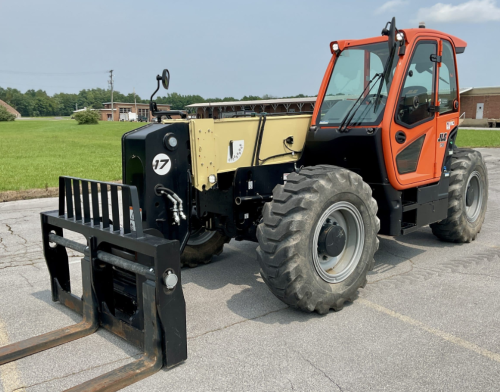
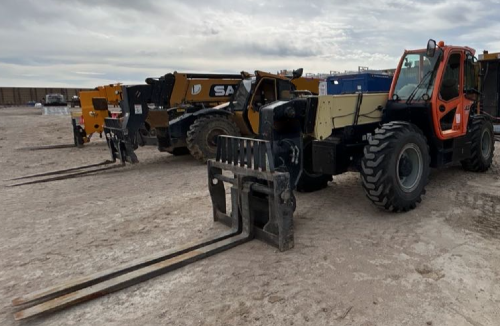
Most forklifts pick a lane. They're either good on rough ground or good in tight spaces, rarely both. The SLP80 doesn't pick. Keeping the frame low means the center of gravity stays down, and that matters the second you're hauling a loaded pallet over gravel or soft dirt instead of a warehouse floor.
That low stance doesn't cost you lift capacity either, which is the part people don't expect. Folks searching for used Sellick forklifts for sale near me end up circling back to this model because it'll lift up to 8,000 lbs and still fit somewhere a bulkier unit wouldn't. Not many machines split that difference well. This one does.
What is a Sellick SLP80?
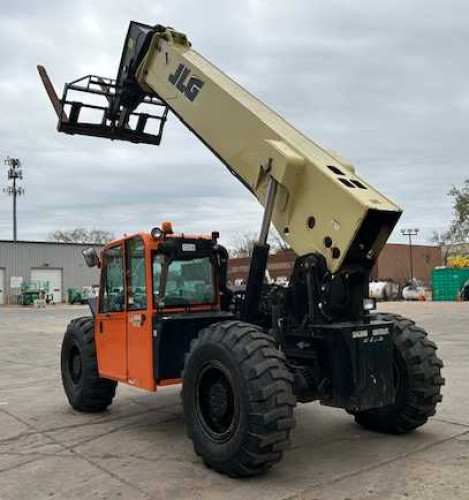
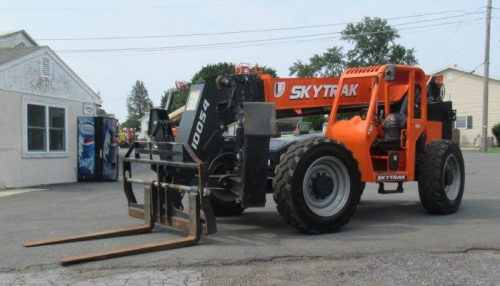
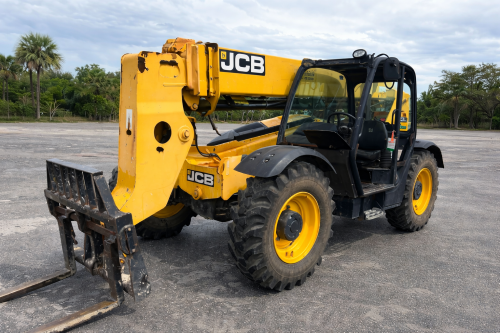
The SLP80 is a low-profile, rough-terrain forklift. Its job is lifting, hauling, and stacking heavy pallets on ground that isn't paved or level, and the compact build with a reinforced mast is what lets it stay upright and stable doing that. It runs on diesel, and you can get it in 2WD or 4WD depending on what your ground looks like.
Sellick built it to last first and look good second, and that's honestly the whole reason a Sellick forklift for sale like this one holds value on the used market. People buying used care more about a machine that won't quit in year three than they do about a spec sheet.
Key Specifications
| Specification | Details |
|---|---|
| Model | Sellick SLP80 |
| Type | Low-profile, rough-terrain forklift |
| Year Range (Used Market) | 2015–2023 |
| Hours (Typical Used Range) | 1,000–4,000 hours |
| Engine Type | Diesel |
| Horsepower | Roughly 74–80 hp |
| Fuel Type | Diesel |
| Maximum Lift Capacity | 8,000 lbs |
| Maximum Lift Height | Up to 22 ft |
| Mast Type | Two or three-stage mast, high-visibility design |
| Drive Configuration | 2WD or 4WD |
Main Features
None of this is marketing fluff. This is just what makes this Sellick SLP80 forklift for sale actually work well once it's on your site.
- Low-Profile Build: Keeps weight distribution lower than a standard forklift, which cuts down on tip risk when you're on a slope. It also gets under clearances a taller machine can't touch. On tight sites, that extra couple feet of headroom matters more than people expect.
- Rough-Terrain Ready: Gravel, dirt, half-frozen mud, none of it slows this thing down. The tires and suspension are matched to outdoor conditions, not smoothed-over warehouse floors, so it doesn't get stuck where a standard unit would.
- Real Lift Capacity: 8,000 lbs is a lifting capacity of this model. The frame and mast are built to carry that without flexing, so you're not babying every load just to be safe.
- Diesel Torque: This engine is built for hours of steady pulling, not short bursts. That translates into consistent lifting power shift after shift, without the fuel bill running away from you.
- 2WD/4WD Options: Flat gravel lot? 2WD probably covers it. Soft or uneven ground? Go 4WD. Either way, buyers comparing a used Sellick forklift for sale can match the drivetrain to the actual job instead of guessing.
- Reinforced Frame: The frame and mast are reinforced in the spots that usually wear out first on lesser machines. It's the kind of build that keeps showing up on job sites years after a bargain forklift would've been scrapped.
Benefits of The Sellick SLP80
Buying the SLP80 isn't just checking a box on your equipment list. Here's what it actually changes day to day.
Lower Upfront Cost
- Buying used gets you real rough-terrain capability without paying new-equipment prices. That difference usually goes toward something else the operation actually needs. It's a big reason people scanning forklift used for sale in USA listings skip new altogether.
All-Weather Reliability
- Some machines only perform well on a paved lot. This one doesn't care what the ground looks like, and that matters more than people realize until they've owned a forklift that couldn't handle it.
Consistent Performance
- It just performs consistently. On a job with a tight schedule, that predictability is worth more than any flashy feature.
Less Downtime
- Fewer surprise breakdowns mean fewer days when the machine sits idle instead of working. Diesel components and reinforced frame both play into that.
Multi-Site Versatility
- Construction one week, farmland the next, an industrial yard after that. It doesn't need to be babied into a single role, which cuts down on how much equipment you need sitting around.
Strong Resale Value
- Sellick's reputation for durability means resale isn't an afterthought if you ever decide to move it along. That long-term value is part of the return, not just what it saves you upfront.
Ideal Applications
Low profile, rough-terrain build, real lift capacity, this model ends up useful in more places than you'd guess.
Construction Sites
- Moving building materials across unpaved ground
- Loading and unloading trucks where there's no pavement
- Handling on-site staging of heavy material
Agricultural Operations
- Moving feed, pallets, and supplies across open land
- Loading and unloading storage buildings
- Handling equipment transport around the property
Industrial Yards
- Hauling heavy material across gravel or dirt lots
- Supporting shipping and production logistics
- Moving loads too big to handle by hand
Oil and Gas Sites
- Moving equipment across remote, rough terrain
- Supporting rig setup and teardown work
- Handling material in off-road conditions
Rental Fleets
- Covering short-term rough-terrain project needs
- Serving construction and industrial clients alike
- Staying reliable with minimal downtime
Why Choose Us?
Rough-terrain equipment is a bigger commitment than a warehouse forklift, so who you buy from matters more here, not less.
- Check the Machine: Every Sellick SLP80 Forklift for sale we list gets a real look at mechanical condition and safety before it's posted, not just a photo and a price.
- Sell Nationwide: Need a forklift used for sale in USA broadly, or something closer to home? Either way, we can help.
- No Vague Listings: Real hour counts, honest condition notes, nothing dressed up.
- Fair Prices, No Games: Priced for what the machine's actually worth, not padded for the used market.
- After the Sale: Questions after purchase get answered, same as before.
Get Your Sellick SLP80 Forklift Today
Whether you're searching used Sellick forklifts for sale near me or sourcing rough-terrain equipment for a bigger operation, the SLP80 delivers real capacity and durability without a new-equipment price tag. Reach out to NLEQ for current pricing, inspection details, and availability.